
Tether Drones
Tether Drones
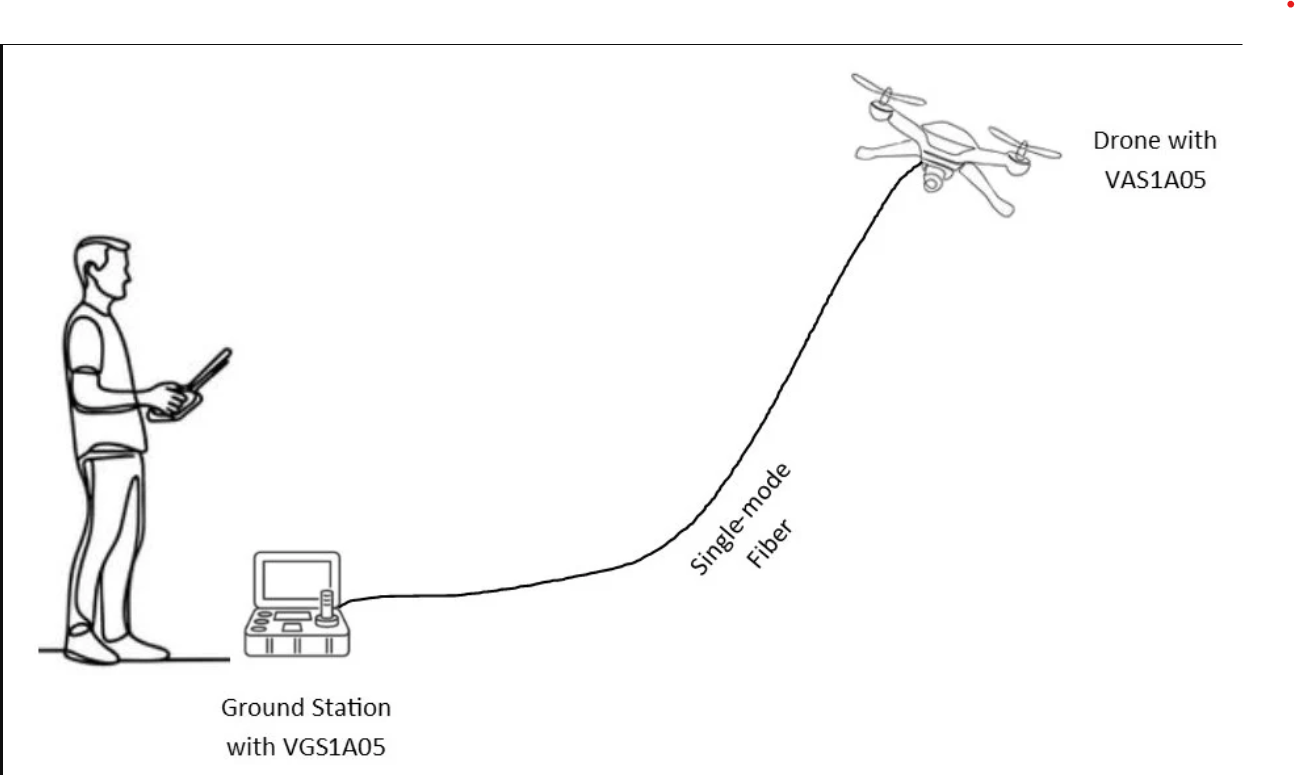
Tethered drones, also known as tether-powered UAVs, represent a specialized class of unmanned aerial vehicles that remain physically connected to a ground station via a lightweight, high-strength cable.
Unlike conventional battery-powered drones limited to 20–40 minutes of flight time, tethered systems draw continuous electrical power and transmit high-bandwidth data through the tether, enabling them to remain airborne for hours, days, or even indefinitely in some configurations. This persistent aerial presence makes them ideal for applications such as border surveillance, military reconnaissance, disaster response communications relays, crowd monitoring at large events, and industrial inspections of tall infrastructure. The tether not only eliminates battery constraints but also provides a secure, jam-resistant data link and eliminates the need for complex autonomous return-to-home procedures. Modern tethered drones often incorporate advanced features like automatic tension control, quick-deploy winches, and hybrid power systems, though they trade off some mobility for their extended endurance and operational reliability.
Customised Tethered Drone
As per requirement we manufacture the Tethered drone which can be used for ISR purpose and FPVs which can do both ISR and attack enemy target with precision and accuracy. They come with different range and flying capabilities.
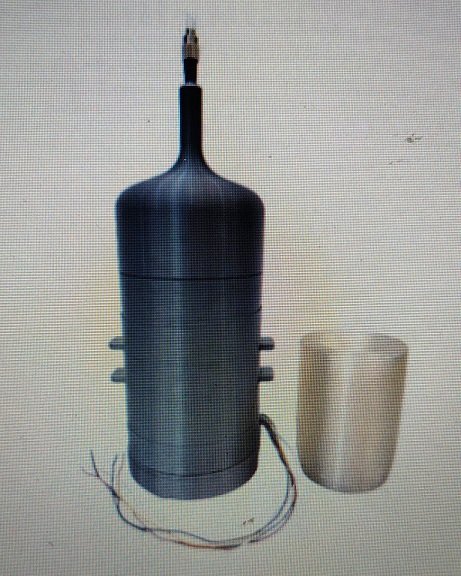
Fiber Optic Tether Spools are compact, lightweight canisters or reels designed primarily for tethered drones and UAVs, containing ultra-thin optical fiber that unspools in real time as the drone flies, providing secure, high-bandwidth, jam-resistant data transmission. Common fiber types include bend-insensitive single-mode, often 0.26–0.35 mm in diameter, for low attenuation and tight-radius spooling, with some options using resin-coated or Kevlar-infused coatings for enhanced durability and tensile strength.
Spools are typically housed in durable ABS plastic, PLA, PA12, or ASA canisters and are available in a wide range of lengths—from standard short options of 1–5 km up to 10–30 km for most operational use, with advanced or customized versions reaching 40–60 km. Weights remain impressively low (e.g., 300–800 g for 3–10 km spools), making them suitable for small FPV and tactical drones while supporting extended missions in surveillance, military, and industrial applications.